© Ulf Greder 2014
PAINTINGS BY ULF GREDER



Generations of Scandinavian painters have travelled south for light and inspiration. The sun and sophistication of France and Italy has always bewitched boreal visitors.
C.W. Eckersberg led Danish painters of the Golden Age south to Italy in the early
1800s. There was a Scandinavian artist colony in Grez-
Ulf Greder grew up enjoying paintings by Hilding Linnqvist, Einar Johlin, Bror Hjort and Olle Ohlsson Hagalund. Favourite painting is still ‘Rooftops in Paris’ by Otte Sköld from 1922.
Over the years Ulf Greder has also been inspired by many French painters beginning with Chardin and Watteau and followed by the Nabis painters Vuillard and Bonnard. Marquet is another favourite. The American realists like N.C. Wyeth have also inspired.
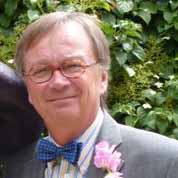
Ulf Greder was born 1949 in Stockholm and taught himself to paint. Three pictures
were selected for Liljevalchs in the Spring of 1969 and the following year he had
his first one-
He left Sweden for Spain in 1971 and moved to London 1972. He lived in France in 1977 and has been a frequent visitor and occasional resident since. He has also lived in Italy, India and the USA. He now resides with his wife in a small Dorset village in England.

Beauty is the joy of life.
The art of the past being the bases from which you proceed. Degas
For me a picture should be something likeable joyous and pretty. Yes pretty. There are enough ugly things in life for us not to add to them. Renoir